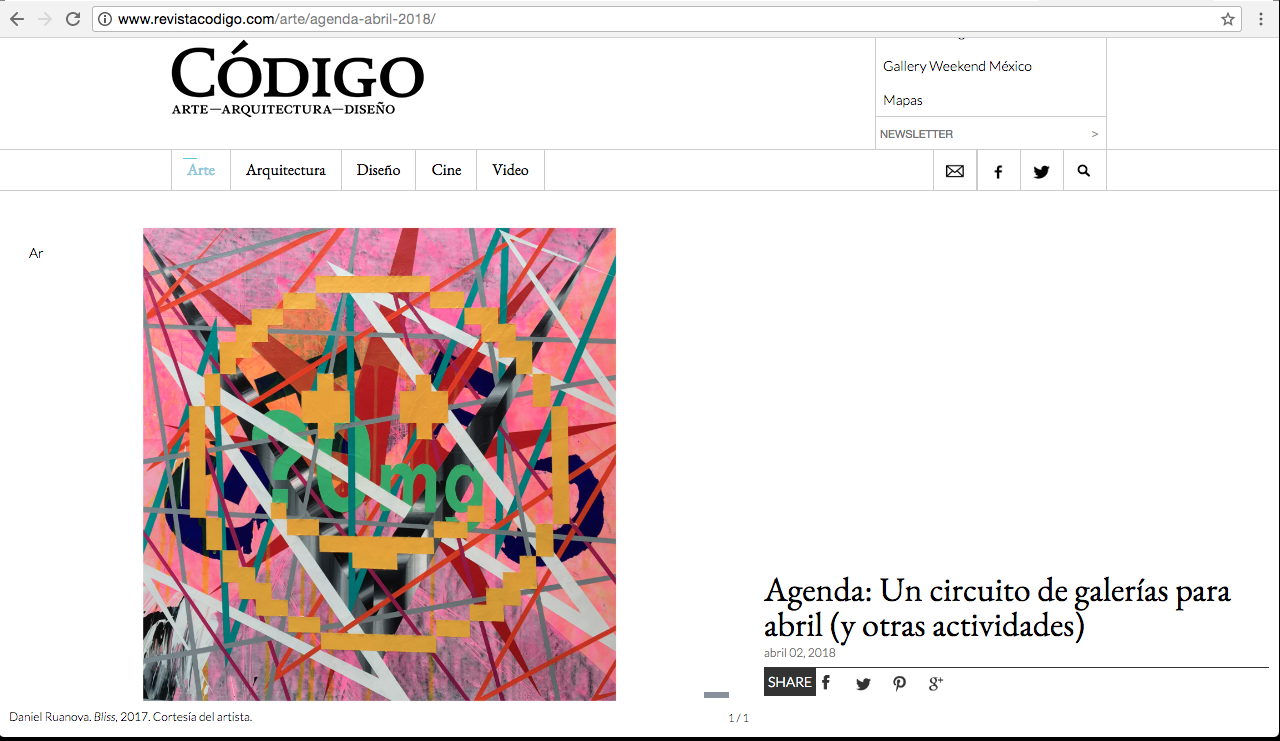
BLISS,
Acrylic on canvas, 56 x 56 cm
2017
TJ/MX
___________________
collection of Esther & Danae Leemans, Eindhoven, NL.
___________________
BLISS,
Acrylic on canvas, 56 x 56 cm
2017
TJ/MX
___________________
collection of Esther & Danae Leemans, Eindhoven, NL.
___________________
Art Direction / Writer & FOUNDING MEMBER of GHOST MAGNET ROACH MOTEL
PUNKFORMANCE & SOUND ART COLLECTIVE from the Borderlands of TJ
from 2005 – until 2017
______________________________
Dirección de Arte / Escritor y Miembro Fundador de GHOST MAGNET ROACH MOTEL
COLLECTIVO DE ARTE SONORO y PUNKFORMANCE de la Frontera de Tijuana
desde 2005 – hasta 2017
______________________________
Ghost Magnet Roach Motel, the Punk Musical documentary, follows the off-stage life of 5 artists (2 American musicians, 2 Mexican artists and 1 Japanese filmmaker) of Ghost Magnet Roach Motel, a noise punkformance unit born in Tijuana, Mexico in their process of overcoming their psychological border. With a literally crashing border between Mexico and USA as the background, the protagonists confront each individual’s addictions while searching for an answer to their existentialistic crisis.
______________________________
Ghost Magnet Roach Motel, el documental punk musical, es una historia sobre 5 artistas (dos estadounidenses, dos mexicanos, y un japonés) cuyas vidas se entrelazan a través del sonido, y que colectiva e individualmente buscan la cura dentro de sí mismos. Impulsado por el sonido punk producido por el colectivo durante los últimos 5 años que se ha estado documentado el proceso, el largometraje está lleno del caótico pero sensible sonido de las generaciones contemporáneas. Con la frontera de EUA-México y su región como fondo, el documental revela la decadencia estadounidense, corrupción mexicana, y el caos japonés, mostrando las patologías de cada individuo. Con los artistas como protagonistas y como parte del equipo de posproducción, el cinta se convierte en una experiencia audiovisual dentro del mundo de Ghost Magnet Roach Motel en el que la audiencia está invitada a abrir sus sentidos y corazones.
______________________________
Ghost Magnet Roach Motel ist eine experimentelle dokumentarische Punkformance, in der Dialog und Musik verwoben werden. Der Film schaut hinter die Kulissen ins Leben der Bandmitglieder des gleichnamigen, international besetzten Noise Punk Kollektivs aus Tijuana, Mexiko. In ihrem Wandel von einer Noise Band zu einem Kollektiv wird ein neues künstlerisches Projekt geboren. Die intimen Portraits der fünf Künstler und ihr Dialog wirken als treibende Kraft des Films. So erlebt man die existentielle Konfrontation ihrer individuellen Kämpfe zwischen Sucht, Krise und Selbsterkenntnis.
______________________________
ゴースト・マグネット・ローチ・モテルはアメリカ人音楽家2人、メキシコ人芸術家2人と日本人作家からなるメキシコ・ティファナを拠点とするノイズパンクユニットの舞台裏を追うパンク・ミュージカル映画。アメリカとメキシコの国境を背景に、様々な中毒からの脱出と精神的な境界線を越境するために、各メンバーが一人一人の存在意義を追求、グループとして成立していく過程を追うドキュメント。
______________________________
______________________________
Punkformance by – Brian Sweda – Tony Cozano – Julio Orozco – Daniel Ruanova – Shinpei Takeda / Photography – Joey Muñoz – Johann Leitner – Shinpei Takeda / Editor – Margit Bauer – Shinpei Takeda / Art Director – Daniel Ruanova / Writer – Daniel Ruanova – Shinpei Takeda / Producer – Adriana Trujillo & Jose Inerzia (Polen Audio Visual) – Shinpei Takeda (Atopus Studio) / MUSIC – Ghost Magnet Roach Motel – Tony Cozano / Director – Shinpei Takeda
length – 67mins / Year – 2016
subtitles in English/Spanish/German/Japanese
www.ghostmagnet.info
______________________________
GHOST MAGNET ROACH MOTEL @ danielruanova.com:
GHOST MAGNET ROACH MOTEL / 2016 / A NEW AMERICAN SOUND
GHOST MAGNET ROACH MOTEL for NOISEY/VICE 2015
GHOST MAGNET ROACH MOTEL / 2014 – 2015 /
GHOST MAGNET ROACH MOTEL (sound collective)
The Mexican artist Daniel Ruanova (1976) comes from a different world and a different culture, a world with urgency and where survival takes time. Death is an integral part of his culture, not only because of the drugs wars, political instability and poverty. As Ruanova himself explains: ‘if you do not embrace death, it will haunt you’. Death and life are inextricably linked with each other and are a part of nature. When a coyote grabbed and ate a calf on his grandfather’s ranch, the very same place in the desert landscape was marked the following year by flowers that had started growing there.
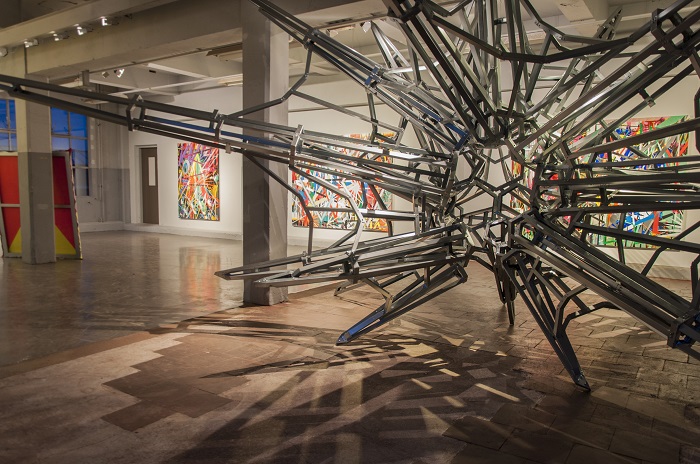
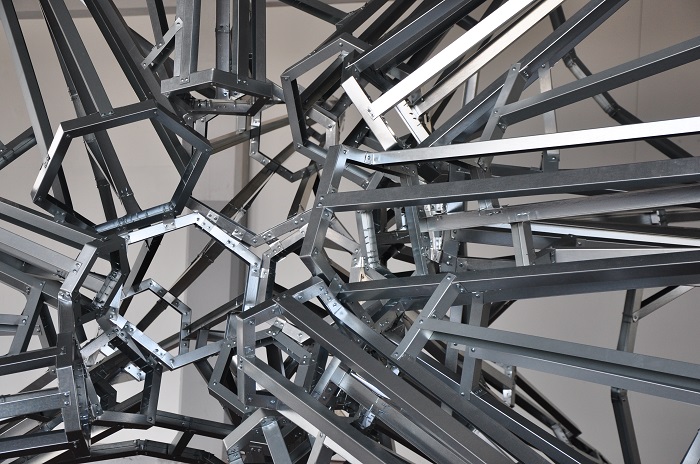
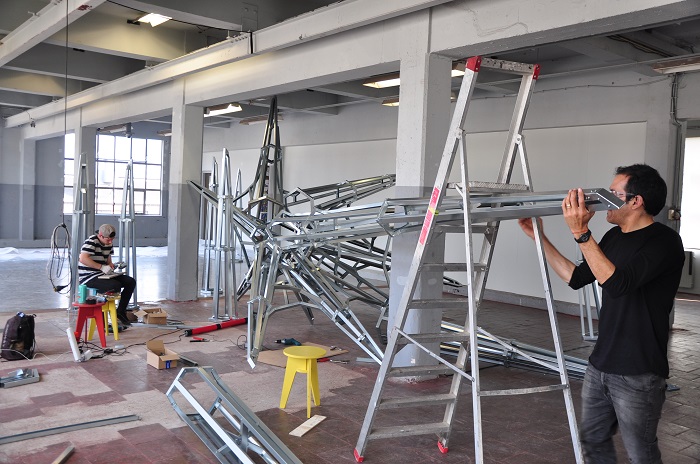
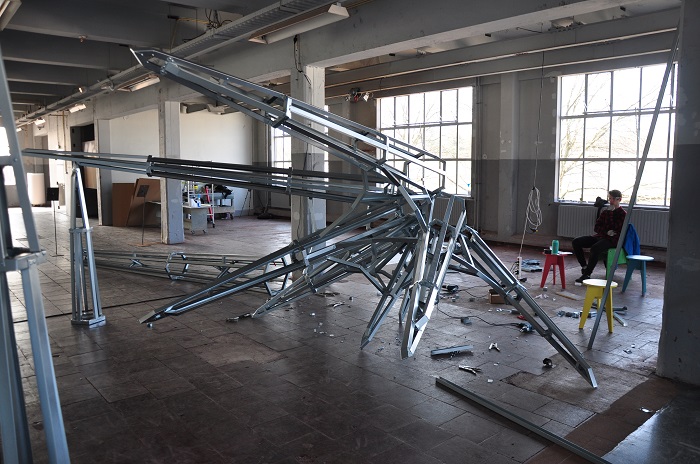
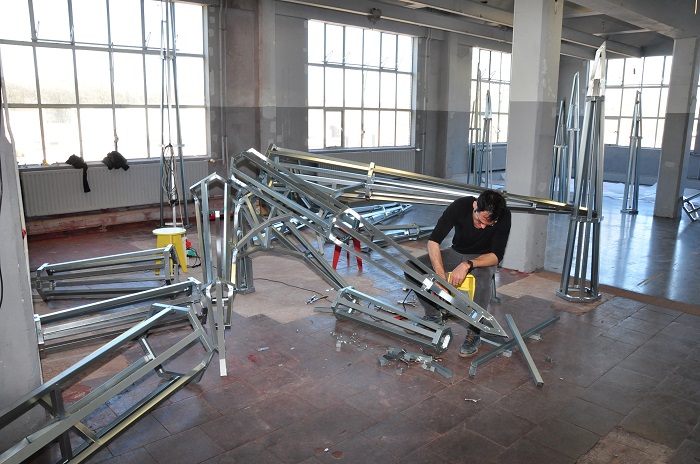
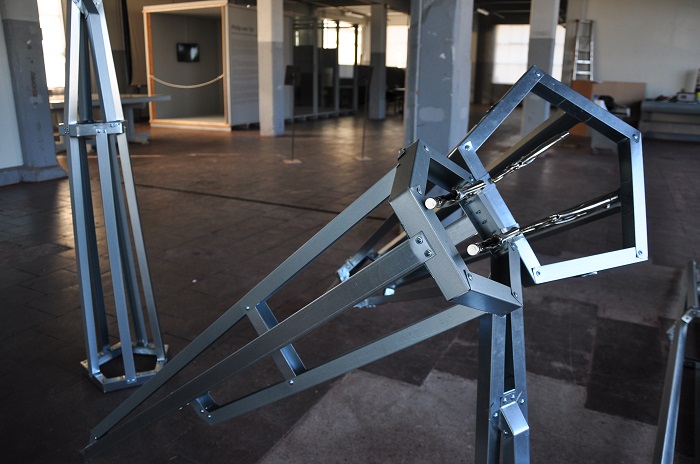
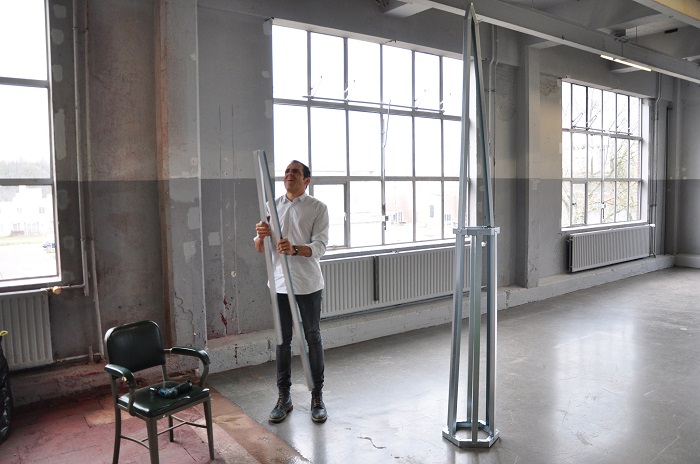
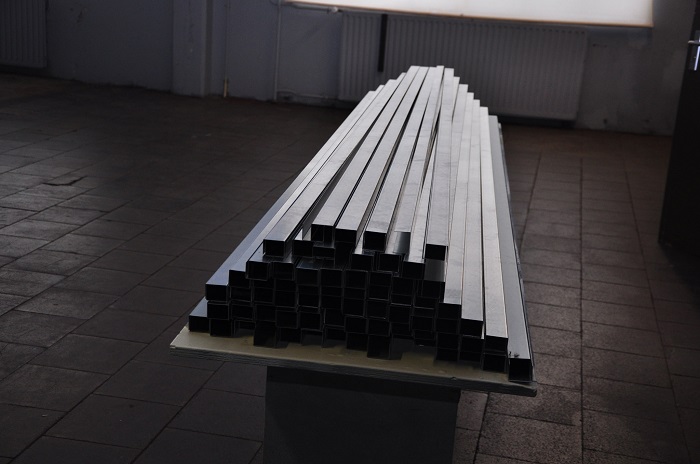
Nature is also a source of inspiration for the defensive constructions that Ruanova makes. The structures, made from modular wall profiles, are created according to the mathematical logics of nature. We now produce these U-profiles ourselves, because the profiles used in Europe proved to be unsuitable. The way in which this structure is built up organically is the same as how a cactus grows and occupies space.
Ruanova has gathered an incredible wealth of knowledge and has developed a feel for the possibilities of using steel construction materials to let a structure grow organically. The structure protects the essence, but is simultaneously also sharply daunting.
According to Ruanova, the art world is changing and he, as an artist, can therefore change this world: his existence as an artist is urgent. Just like a cactus in the desert, he is a part of Mexico – a child of his country – and in everything he does, he breathes and communicates the care, love and unwavering trust in his origins and the future.
He currently lives in Tijuana, a city on the border between Mexico and the United States. Violence and social tension are quite commonplace here. In recent years Ruanova has used his new project ‘New World Border’ to focus on the generation of an increased awareness of border cultures.
The current anti-Mexican political climate in the United States also has a positive side, according to Ruanova. It has led to the fortification of the Mexican culture and a growing self-awareness, which in turn has created new opportunities. As there is growing tension along borders all over the world, and Ruanova’s work transcends local issues due to its contemplative and elaborate nature, his presence with us here in Eindhoven is even more interesting than we thought.
As well as the fact that his work, down to the finest detail, is a result of the consciousness of current affairs and what’s going on in the world, Ruanova also turns out to be an anecdotal narrator and someone who accurately observes his surroundings. Although his sculptures and paintings radiate enormous aggression and give the viewer the impression that he actually wants to shut himself away from the world around him, he actually wants to achieve exactly the opposite. Ruanova is anything but pessimistic. He defines himself as a ‘realist and humanist’, someone who comes from a relatively young culture, in which the future is still open and to which he, as an artist, can have an active contribution.
//
De Mexicaanse kunstenaar Daniel Ruanova (1976) komt uit een andere wereld en een andere cultuur, een wereld met urgentie en waar overleven tijd vergt. Niet alleen vanwege de drugsoorlogen, politieke instabiliteit en armoede, is de dood vast onderdeel van de cultuur. Zoals Ruanova zelf vertelde: ‘als je de dood niet omarmt wordt je erdoor achtervolgd’. Dood en leven zijn onlosmakelijk met elkaar verbonden en zijn onderdeel van de natuur. Als een coyote op de ranch van zijn opa een kalf te grazen nam en opat, werd deze plek in de woestenij het jaar daarop gemarkeerd doordat er bloemen groeiden.
De natuur is tevens de inspiratiebron voor de beschermingsconstructies die Ruanova maakt. De van systeemwandprofielen gemaakte structuren worden volgens de mathematische logica van de natuur vervaardigd. Wij produceren deze U-profielen nu zelf, want de profielen die in Europa worden gebruikt bleken niet geschikt te zijn. De wijze waarop deze structuur organisch wordt opgebouwd is die van hoe een cactus groeit en de ruimte inneemt. Ruanova heeft een ongelooflijke kennis opgebouwd en gevoel ontwikkeld voor de mogelijkheden die er zijn om met de stalen bouwmaterialen een structuur organisch in de ruimte te laten groeien. De structuur beschermt het wezen, maar is tegelijkertijd ook priemend en afschrikwekkend.
Volgens Ruanova verandert kunst de wereld en kan hij als kunstenaar dus de wereld veranderen: zijn bestaan als kunstenaar is urgent. Hij is zoals de cactus in de woestijn onderdeel van Mexico – kind van zijn land – en in alles ademt en communiceert hij de zorg liefde hoop en het rotsvaste vertrouwen in zijn herkomst en de toekomst.
Momenteel is hij woonachtig in Tijuana, een stad op de grens tussen Mexico en de Verenigde Staten. Geweld en sociale spanningen zijn hier aan de orde van de dag. De afgelopen jaren richt Ruanova zich met zijn project ‘New World Border’ op het creëren van een groter bewustzijn bij grensculturen.
De huidige anti-Mexicaanse politiek in de Verenigde Staten heeft volgens Ruanova ook een positief punt. Het leidt tot de versterking van de Mexicaanse cultuur en een groeiend zelfbewustzijn, waardoor ook weer nieuwe kansen worden gecreëerd. Omdat er wereldwijd spanningen langs grenzen zijn en het werk van Ruanova, door de beschouwende en doorwrochte aard ervan, de plaatselijke problematiek overstijgt, is zijn aanwezigheid bij ons in Eindhoven nog belangwekkender dan we dachten.
Naast dat zijn werk tot in de haarvaten voortkomt uit bewustzijn van de actualiteit en waar het in de wereld over gaat, blijkt Ruanova ook een anekdotische verteller en iemand die de wereld rondom hem heen nauwkeurig observeert. Hij is allesbehalve pessimistisch en definieert zichzelf als een ‘realist en humanist’, iemand die uit een relatief jonge cultuur komt, waarin de toekomst nog open ligt en waaraan hij als kunstenaar een actieve bijdrage kan leveren.
_____________________________________________
Information of individual works:
_____________________________________________
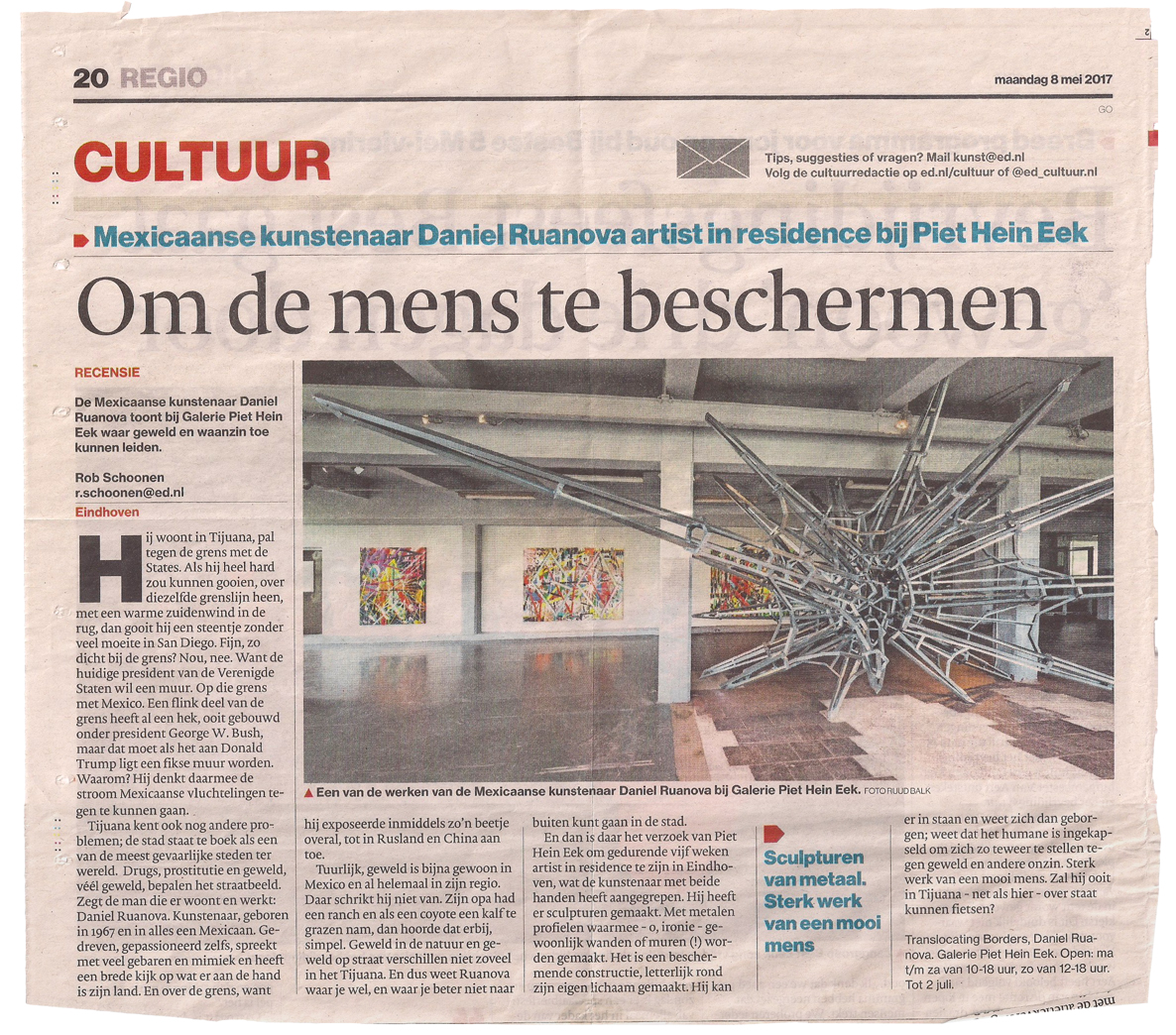
Press Review: http://www.ed.nl/cultuur/om-de-mens-te-beschermen~ab7f345b/
 _____________________________________________
some Gallery photos (thumbnails) courtesy of the Thomas Mayer Archive
_____________________________________________
Process videos by Anderson Araujo:
_____________________________________________
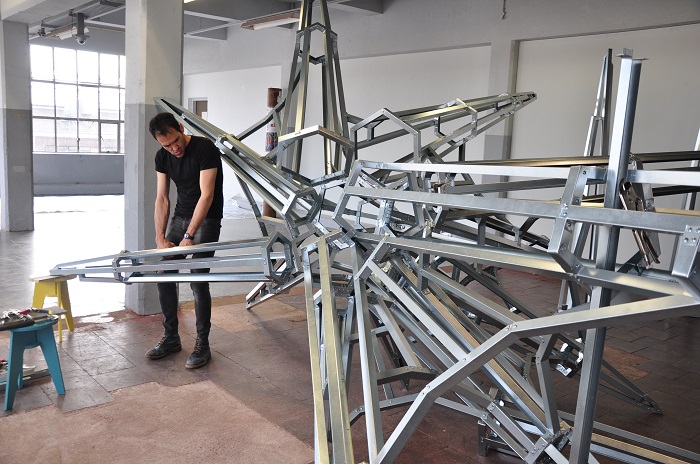
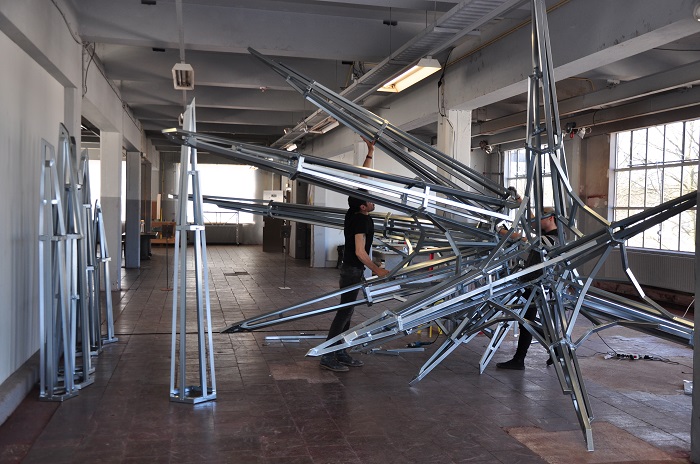
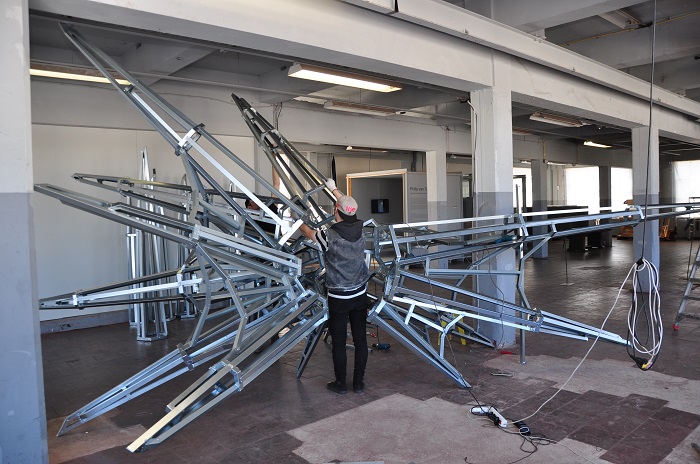
Process Photos by Anderson Araujo:
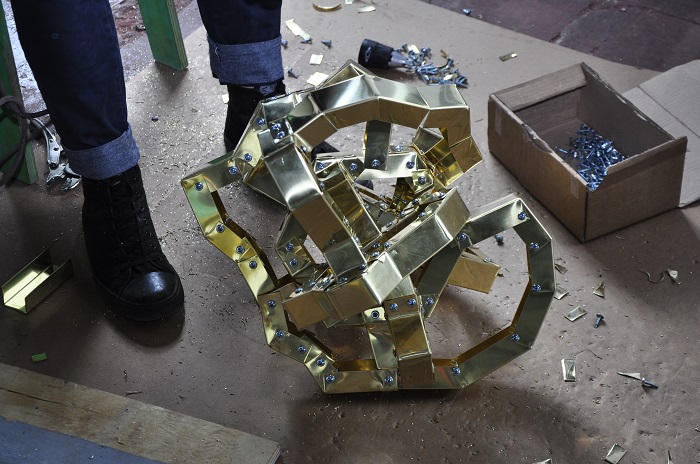
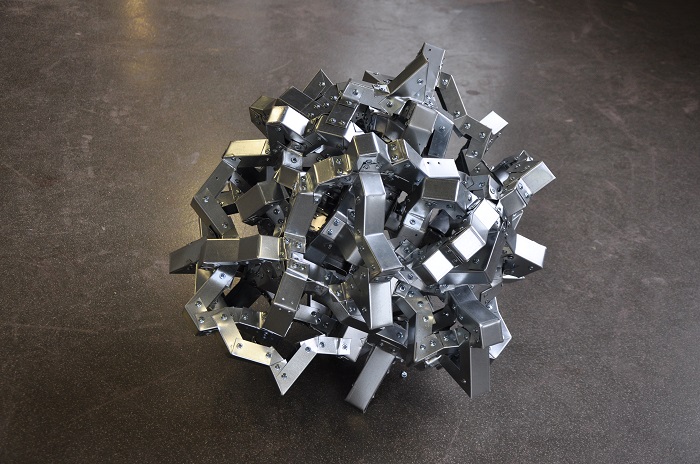
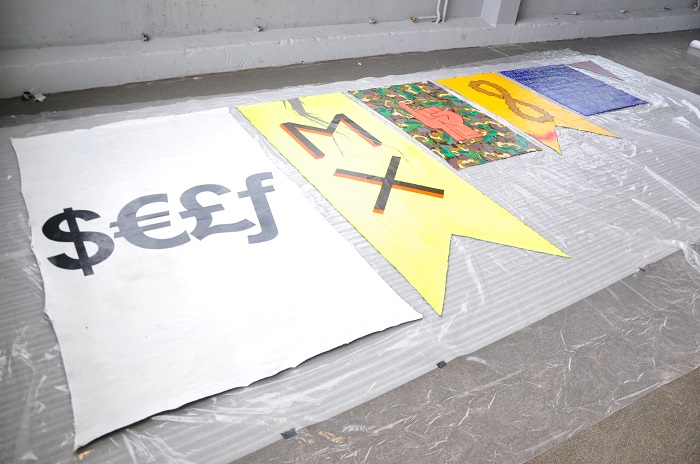

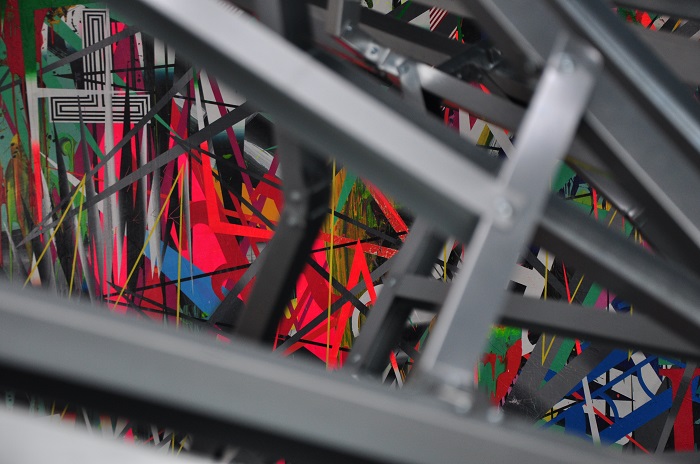
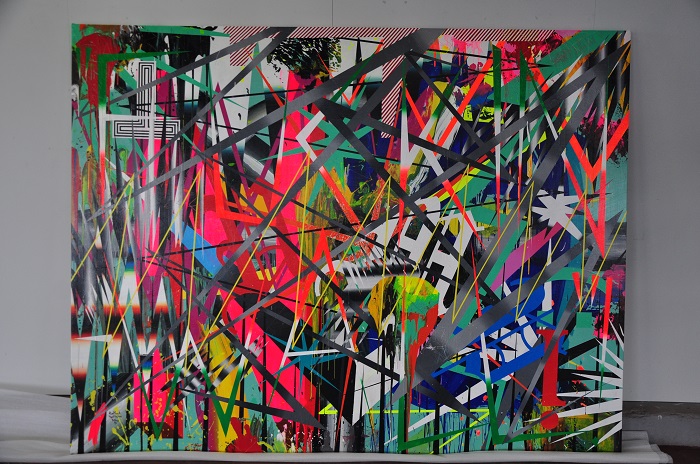
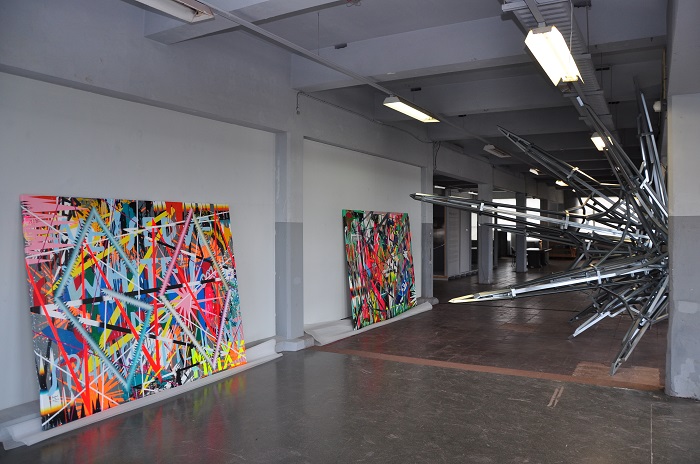
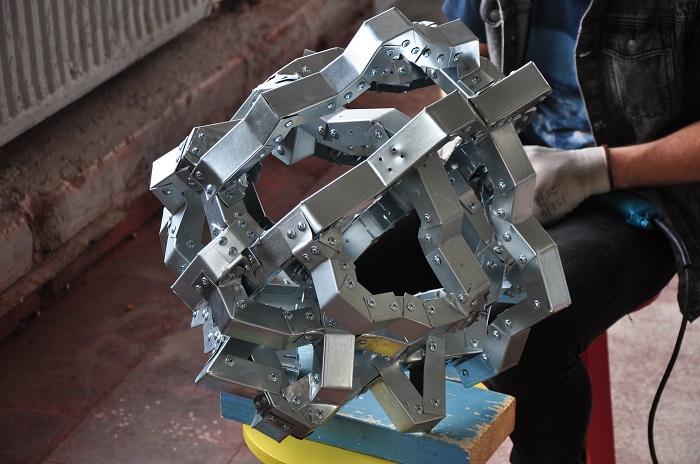
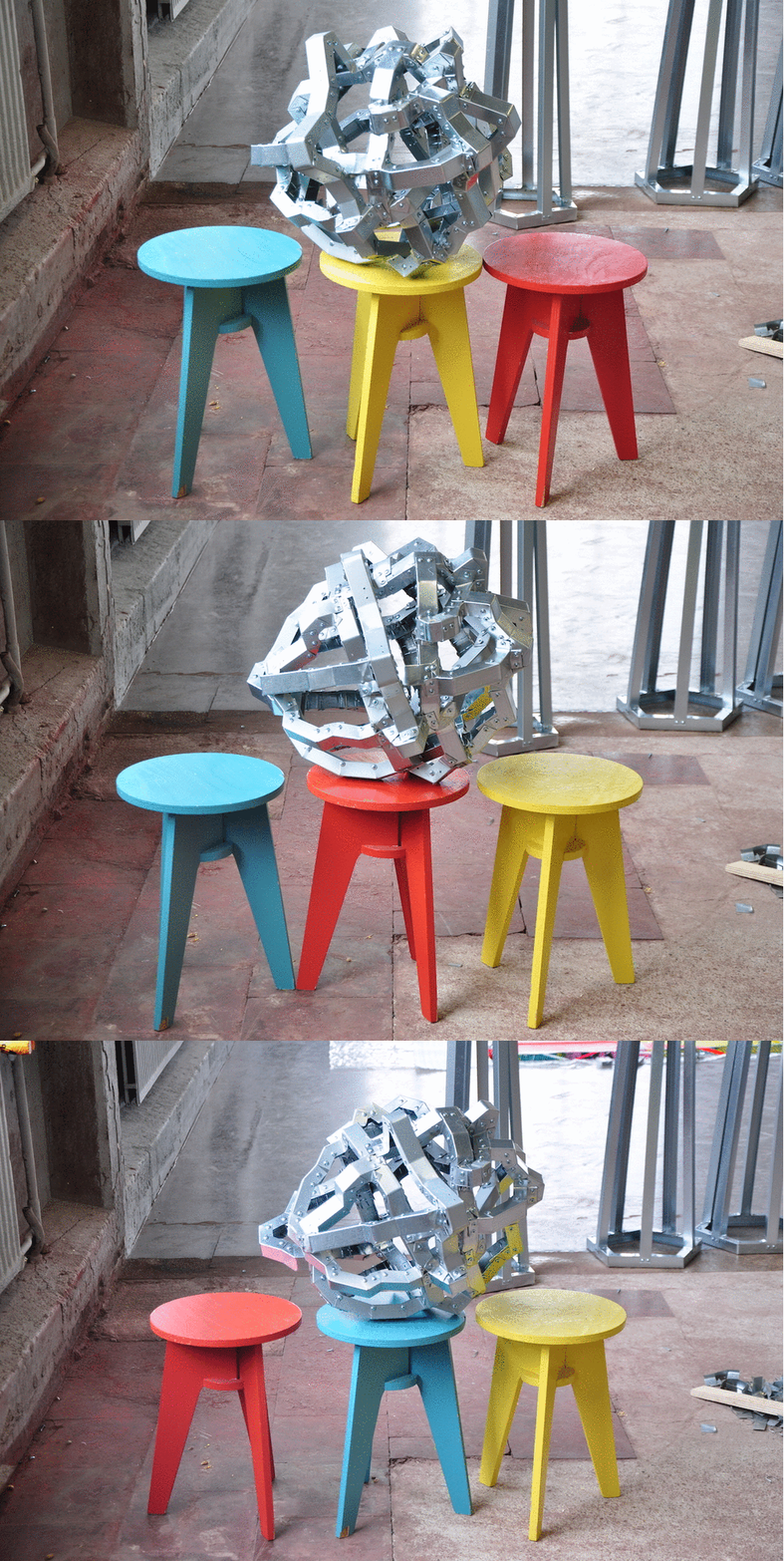
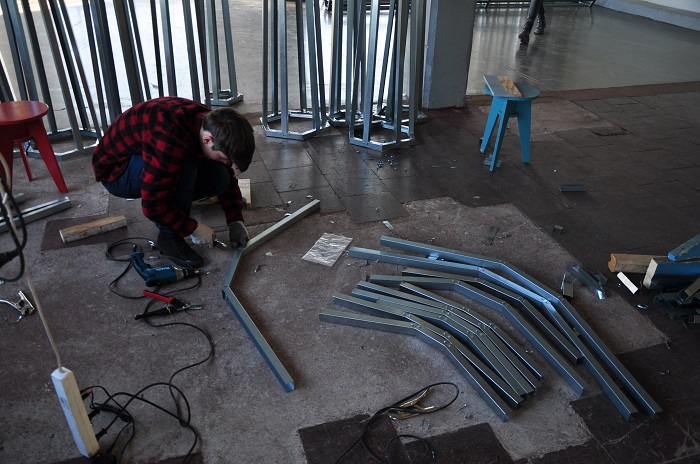
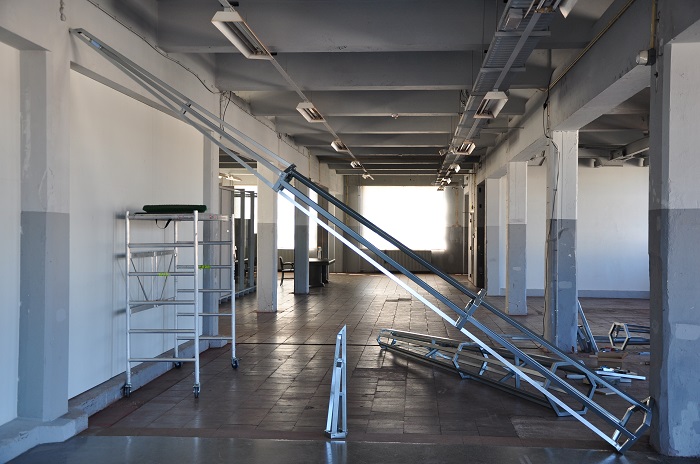
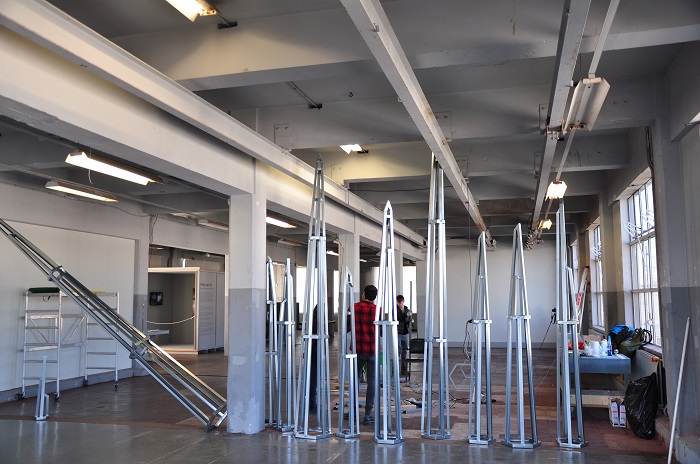
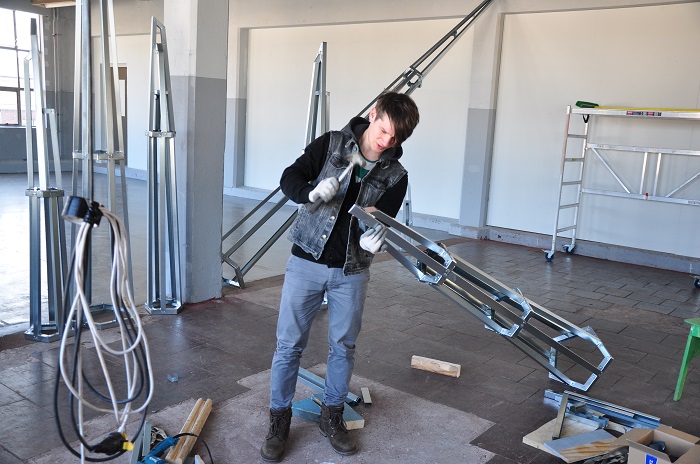
_____________________________________________
Project Background:
Where protection is needed
17-03-2017 in: Blogmessages, Current, Exhibition
When I paid a flying visit to the University of Architecture in Monterrey, Mexico for a lecture over a year ago, an artwork by the Mexican artist Daniel Ruanova stood outside the entrance to the beautiful building designed by the Japanese architect Tadao Ando. Inside the building, close to the entrance, was more of his work on display in the exhibition space.
It is quite intelligent and modern to display art in the entrance hall of an institute where creativity is the main focus – as is the case with architecture, or rather it should be. This stimulates a dialogue between the mutual influences of the creative professions. This is instead of the increasingly oppressive isolation that is caused by the general belief in specialisation, from which we are now gradually (thankfully) struggling away from.
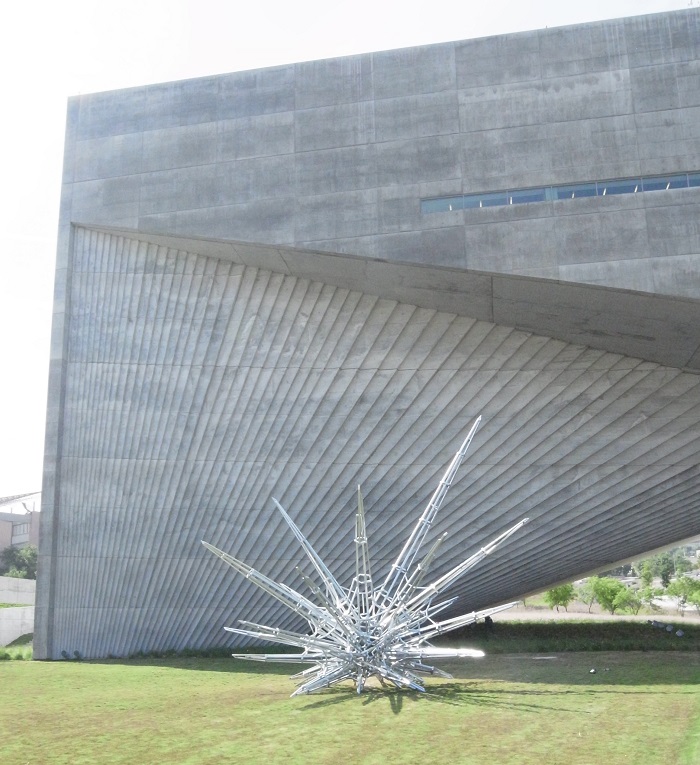
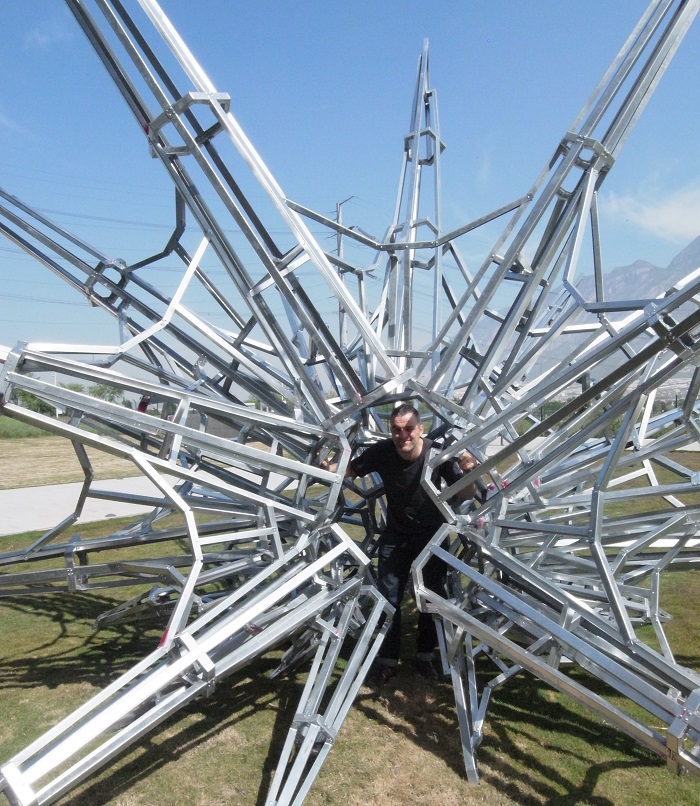
The work that stood outside, an angular, constructive and open piece of protective clothing, is somewhere between isolation and openness, polarisation and reconciliation, fear and security. As is sometimes the way in the animal kingdom: protect yourself by scaring off others. For us in the Netherlands such issues are much lower on the agenda, or even not at all, but in Mexico there is arbitrariness and fear, and violence is the order of the day.
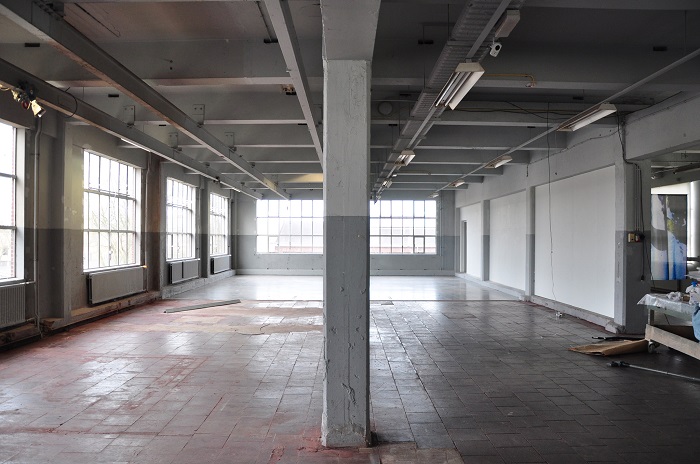
Daniel is our artist-in-residence and will create a sculpture during his time in the gallery. The creation process will form an important component of the exhibition, and visitors can follow this work-in-progress in the gallery. The opening is on 23 April. We have also had several canvasses shipped over from Mexico that make the exhibition equally as powerful as I experienced it in Monterrey and perhaps even more beautiful, as the making of is now an integral component of the exhibition.
photos from: Piet Hein Eek´s visit to Monterrey, MX

background press:
http://m.milenio.com/cultura/UDEM_diseno-arte_y_arquitectura-UDESIGN_UDEM_0_500950303.html
_____________________________________________
Exhibition Opening: Sunday, 23rd of April, show runs through 3rd of July 2017.
Gallery Contact: https://pietheineek.nl/en/info/contact
Location:
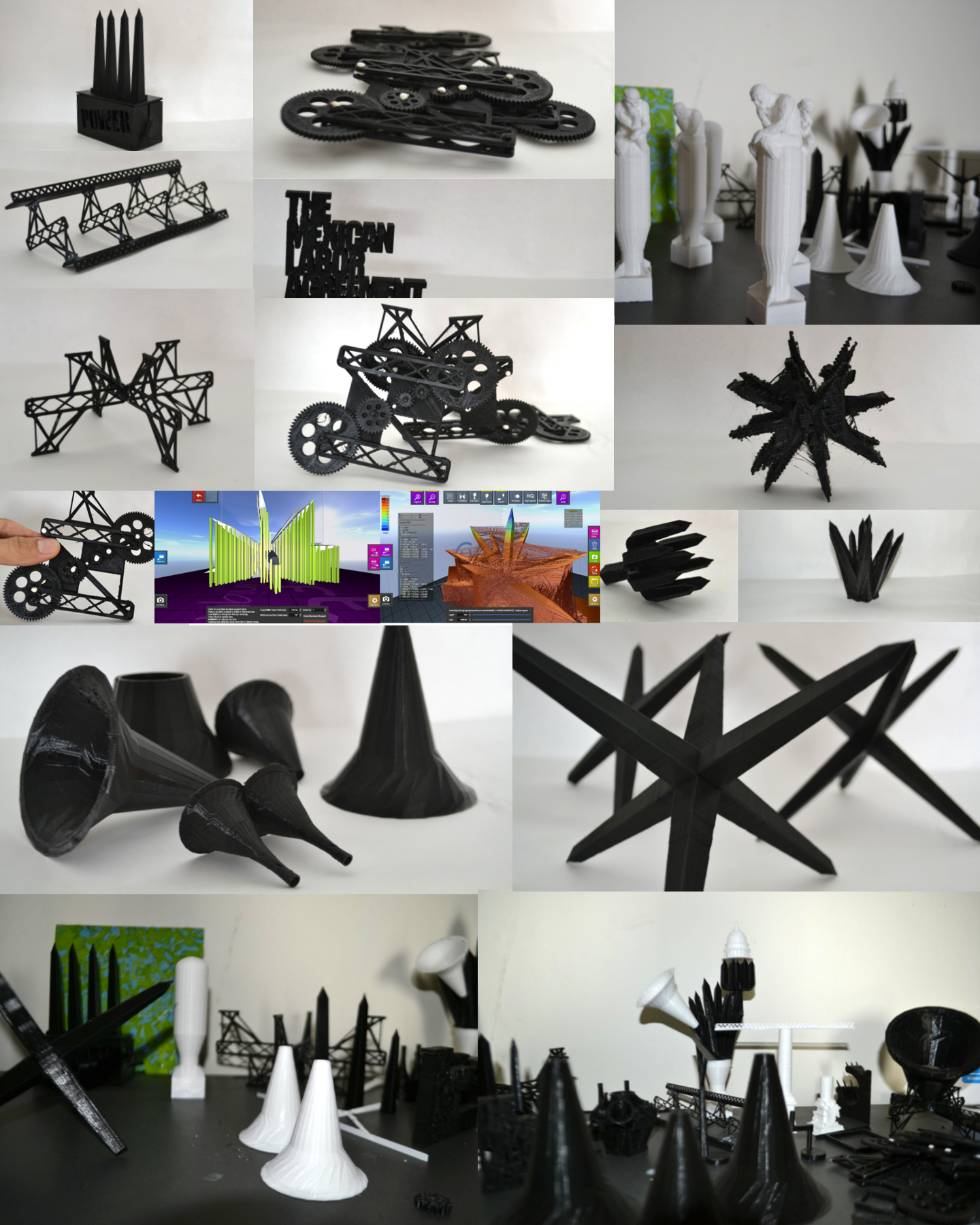
Ensamblaje de elementos impresos 3D (PLA) con resane epóxico sobre libro /
Assemblage of 3D injection printed (PLA) elements with epoxy filler on book.
40 x 40 x 32 cm.
___________________________________
https://www.facebook.com/daniel.ruanova/videos/
___________________________________
Proyecto apoyado por:
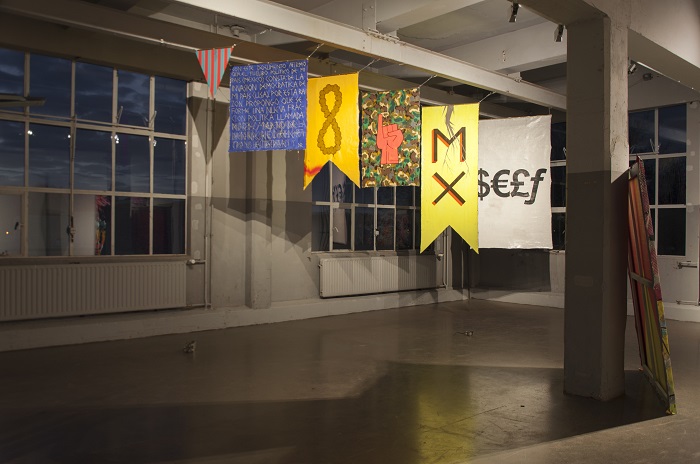
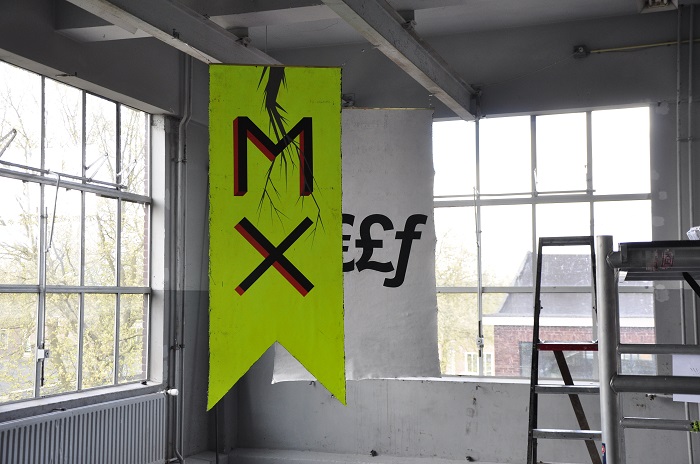
H.f.t.C. / H.p.l.C = Heraldry for the Complacent / Heráldica para los Complacientes
Text translation from blue flag / Traducción del texto de bandera azul:
CON ESTE DOCUMENTO AFIRMO
QUE EL FUTURO POLÌTICO DE MI
PAÍS (MÉXICO), CONSTA DE LA
INVASIÓN DEMOCRÁTICA DE
MI PAÍS (U.S.A.). POR ESTA RA-
ZÓN, PROPONGO QUE SE
FORME UNA NUEVA FRAC-
CIÓN POLÍTICA LLAMADA:
XXXXXXXXXXXXXXXXXX-L-A
XXXXXXXXXXXXXXXXXXXXX
XXXXXXXXXXXXXXXXXX DR
//////////
WITH THIS DOCUMENT I AFFIRM
THAT THE POLITICAL FUTURE OF MY
COUNTRY (MEXICO), CONSISTS IN THE
DEMOCRATIC INVASION OF
MY COUNTRY (U.S.A.). FOR THIS REASON,
I PROPOSE THAT A NEW POLITICAL FACTION
BE FORMED CALLED:
XXXXXXXXXXXXXXXXXX-L-A
XXXXXXXXXXXXXXXXXXXXX
XXXXXXXXXXXXXXXXXX DR
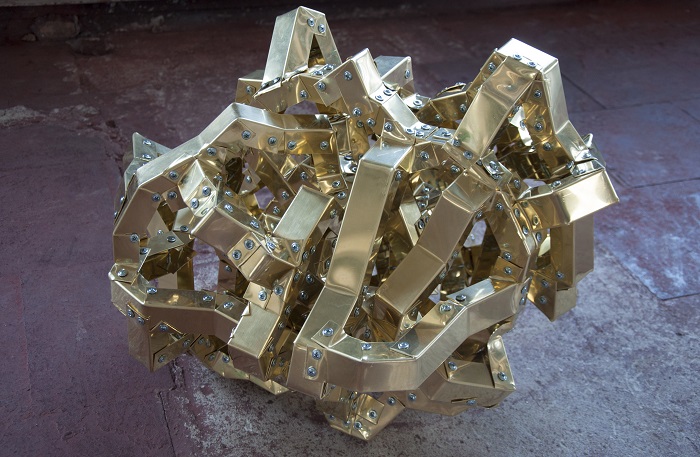
DEFENSE Seed I, galvanized steel drywall studs and zinc-coated self drilling screws, Ø 80 cms, 2017
DEFENSE Seed II, brass drywall studs and zinc-coated self drilling screws, Ø 75 cms, 2017
Gallery photos (thumbnails) courtesy of the Thomas Mayer Archive
shown together in TRANSLOCATING BORDERS @ PIET HEIN EEK Gallery, Eindhoven, NL.
From March 15th to April 25th of 2017, Daniel Ruanova took part in the first ever artist residency project @ PIET HEIN EEK Gallery in Eindhoven, NL. Coming from the borderlands of Tijuana, MX, to the Netherlands for the production of his solo show in the gallery, this is a testimonial interview about his 40 day experience. The edited piece shows the impact that cultural exchange programs have in the lives of its participants and the community they adapt to. The interview was conducted by Pim Hoff, gallery manager @ Piet Hein Eek, and was shot and produced by Anderson Araujo Ferreira (@Andyzeo), two days before the conclusion of the residency.
related links:
One of the great perks of my artist residency @ Piet Hein Eek gallery in Eindhoven, was the collaboration with the Van Abbemuseum. The Van Abbe Vitrine is an offsite museum space situated inside the large gallery at PIET HEIN EEK. Here, gallery artists are commissioned to curate a selection of works from the museum’s collection. In this case, I engaged the project as a future video art explorer. Searching for the works of the original video-artists-iconoclasts from the empire. Creating a viewing space for these eleven pieces that helped provoke the current motivations of communications through video messages. It is an honor to chose, from such a prestigious institution, ideas and work from artists that I have learned so much from.
https://pietheineek.nl/…/daniel-ruanova-translocating-borde…
https://pietheineek.nl/…/produc…/gallery/van-abbe-vitrine-en
I am a visual artist from the borderlands of Tijuana (México-USA). My art practice moves through layers of aesthetics – politics – dark humor and transcultural mutations; every so often, the human tragedy creates forms that must be engaged with as new-language.
Now, specially in Europe (but always present in “las Américas”), these forms are taking place in a constant flow of cultural transformation through the destruction and reconstruction of long held cultural-social-&-economical borders.
While a very sophisticated, plural and civilized culture has been established within the EU, the structures needed for this standard of living have very much depended on the plunder and pillage of long lasting colonization practices in Africa, Asia, the Middle-East and Latin America, with the creation of subservient states that today are finally crumbling. The outpour of these states inhabitants towards “the lands of plenty” in an inevitable outcome of a long held status of wealth and privilege, this is unbalanced.
The consequent creation of security driven systems to rid the initial fear and create a constant paranoia state-industry towards the new others is the real sign of our humanities tolerance and will to change. These are the ideas behind THE FUCK OFF PROJECT. An onsite sculptural installation that creates a metaphor of security-insecurity.
_______________________________
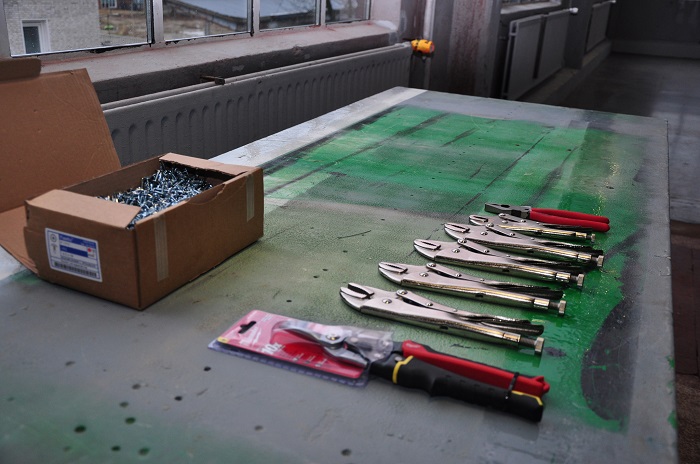
Construction process for The Fuck Off Project, centerpiece of Daniel Ruanova´s Translocating Borders @ PIET HEIN EEK Gallery, Eindhoven, The Netherlands, 2017.
Timelaps from 20/March to 11/April, 2017.
Artist: Daniel Ruanova
Curators: Piet Hein Eek & Pim Hoff
Production Assistants: Anderson Araujo & Salvis Slavišens
Video by Anderson Araujo (@andyzeo)
Music: GHOST MAGNET ROACH MOTEL
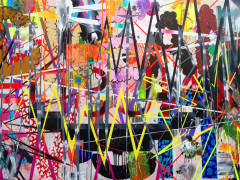
Serie(s): Heráldica para la Frontera Norte / Heraldry for the Northern Border
2014-2017
“Con este proyecto pictórico genero una post-historia que nunca existió. Con tintes localistas y con una visión cívica crítica, construyo un imaginario heráldico de un lugar que no existía como-tal antes del modernismo; y por lo tanto los únicos símbolos socio-políticos existentes que identifiquen a los “pobladores de la frontera” son institucionales e impuestos por los poderes en turno, de lejos. Hoy día, cuando las imágenes digitales se hyper-reproducen de manera exponencial al instante; la pintura y la construcción de la imagen juega un papel distinto: documentar la sensaciones de los tiempos y contexto en el cual se realiza el documento pictórico, que se sigue distribuyendo dentro los métodos convencionales y exclusivistas del arte y por lo tanto debe de deambular entre los caminos de la información digital y la análoga.”
“With this pictorial project I create a post-history that never existed. With localist bias and a critical civic vision, I build heraldic imagery of a place that did not exist as such before modernism; and therefore the only existing socio-political symbols identifying the ” border´s residents” are institutional and imposed by the powers in turn, from far away. Nowadays, when digital images are hyper-reproduced in an exponential manner instantly; painting and image building plays a different role: document the feelings of the times and the context in which the pictorial document is created, while still being distributed in conventional and exclusivist art methods and therefore must wander between the paths of analog and digital information.”
__________________________________________
acrílico sobre tela / acrylic on canvas, 270 x 210 cm
acrílico sobre tela / acrylic on canvas, 160 x 200 cm
acrílico sobre tela / acrylic on canvas, 196 x 258 cm
acrílico sobre tela / acrylic on canvas, 200 x 254 cm
acrílico sobre tela / acrylic on canvas, 200 x 300 cm
acrílico sobre tela / acrylic on canvas , 2 x 3.5 m
acrílico sobre tela / acrylic on canvas, 3 x 2 m (aprox.)
acrílico sobre tela / acrylic on canvas, 3 x 2 m (aprox.)
acrílico sobre tela / acrylic on canvas, 3.3 x 2 m
acrílico sobre tela / acrylic on canvas, 205 x 165 cm
acrílico sobre tela / acrylic on canvas, 182 x 195 cm
acrílico sobre tela / acrylic on canvas, 146 x 201 cm
acrílico sobre tela / acrylic on canvas, 146 x 201 cm
acrílico sobre tela / acrylic on canvas, 182 x 269 cm
acrílico sobre tela / acrylic on canvas, 270 x 210 cm
acrílico sobre tela / acrylic on canvas, 150 x 210 cm
acrílico sobre tela / acrylic on canvas, 140 x 190 cm
acrílico sobre tela / acrylic on canvas, 270 x 210 cm
__________________________________________
OLD IMMIGRANT SCUM, D Ruanova 2016
Comienzo con una bandera, mutante de la UE, el círculo con estrellas doradas convertidas en un pentágono de estrellas blancas. El número y la configuración de estrellas ha sido clave en el desarrollo histórico de la bandera de EEUU; comenzando con trece estrellas en círculo, hasta llegar a la retícula actual con cincuenta. Este símbolo conlleva el inicio de una nación, como se ha venido dando con esta serie pictórica, estamos generando los símbolos para lo que George Friedman denomina “El Norte” (leído en inglés) en su libro THE NEXT 100 YEARS, cuándo prevé que los Estados del norte de México y los Estados del Sur Oeste de los EEUU llegarán a formar una nueva nación por medio del conflicto y la democracia.
El texto pintado, en letras caricaturistas y de antaño, da nombre a la pieza, haciendo referencia a que en “las Américas” descendemos de alguna inmigración de seres que alguien más consideró como escoria; dando inicio al fenómeno que ha hecho de estas tierras la nueva multiculturalidad global. Al generar la grosería, pretendo poner en tela de juicio las actitudes anti-migrante que comienzan a resurgir con tonos fascistas en el “mundo desarrollado”. Mismas que juegan mezclando el patriotismo con el miedo al “otro”, mientras reviven viejas heridas según superadas por el desarrollo.
Al centro se alcanza a percibir un elemento de pixeles rotos que proviene abstrayendo una de las fotografías históricas bélicas de la Segunda Guerra Mundial, la Batalla de Iwo Jima. Estandarte para la fuerza militar de los EEUU, e imagen icónica para cualquier consumidor de la cultura popular posguerra del siglo pasado.
Con vértices, líneas y gráficos entrelazados; yuxtapuestos ante unos gestualismos de un ignorante picto-político (véase el caso morenazi) de las barras rojiblancas del imperio. La composición final de este pintura se corona con un sombrero logotipo manipulado de una cadena de comida ràpida Americana. Logrando el constructo de identidad con una bandera que será útil en un futuro no tan lejano.
//////////////////////////////
OLD IMMIGRANT SCUM, X, series Heraldry for the Northern Border
Beginning with a flag, a mutant from the EU´s circle with golden stars turned into a pentagon of white stars. The number and configuration of stars has been key to the historical development of the US flag; starting with thirteen stars in a circle until you reach the current grid of fifty. This symbol implies the beginning of a nation; a mission that this pictorial series has engaged in generating the symbols for what George Friedman called “El Norte” (read in English) in his book THE NEXT 100 YEARS, when he predicts that states of northern Mexico and the southern states of the US will come to form a new nation through conflict & democracy.
Painted in old cartoonist letters, a text names the piece, referencing that “the Americas” is conformed by and descends from immigrant beings that someone else considered as dross; beginning a phenomenon that has made this land the beacon of new global multiculturalism. When generating rudeness, I intend to put into question the anti-migrant attitudes that begin to emerge with fascist tones in the “developed world”. Mixing patriotism with the fear of the “other” while reliving old wounds, once considered healed by development.
At the center, a fairly perceivable element of broken pixels comes through by abstracting a famous historical-military photograph of World War II, the Battle of Iwo Jima. Standard for the US military, and an iconic war image for any consumer of popular culture of the last century.
With vertices, lines and intertwined graphics; juxtaposed against gestures of an ignorant picto-political (see morenazi case) of the red and white bars of the empire. The final composition of this painting is crowned with a manipulated hat logo of an American fast food chain. Achieving a construct of identity with a flag that will be useful in the not too distant future.
__________________________________________
!!SPIC y su crío NON-WHITE BABY / txt x D Ruanova 2014-2015
SPIC, vulgarismo en inglés-americano para describir o señalar con denotaciones peyorativas a una persona de origen latino ( hi-SP-an-IC ).
“Cursé mis estudios primarios en una zona privilegiada del sur de California. En aquel entonces, los latinos y los mexicanos no estábamos representados en la cultura-pop-americana fuera del estereotipo étnico, y la translocación permanente de millones de personas no era tan clara como lo es hoy en la cotidianidad global. Con esta pintura me apropio de la palabra y su memoria, misma por la que viví varios “conflictos infantiles en el parque” con mis contemporáneos “locales güeritos” durante los cientos de recesos que tuvimos allá.”
Cierto que la fragmentación socio-económica que se vive en cualquier ciudad del imperio hace que la identidad post-mexicana de muchos de la diáspora se difumine para incluirse en una sociedad racialmente dividida que valora los tonos claros y las situaciones solemnes. El Mexico-Americano ha tenido que ceder la historia de su aventura pionera para ser recluido como solo-vino o inmigrante, aunque el latinoamericano no representa una sola raza biológica y por que viene de una larga historia de migraciones e hibridaciones; el término LATINO o HISPANIC pretende encapsular el poder demográfico y por ende democrático, más grande del futuro Norte-Americano.
¿Cómo será nuestro futuro colectivo cuando las fronteras y las nacionalidades se extingan por la democratización de la información y la tecnología? NON-WHITE BABY busca cifrar un lenguaje en base al intercambio de información en donde los usuarios pierden las connotaciones del origen biológico y cultural, para convertirse en un algoritmo racial. En ambas pinturas, las figuras orgánicas son penetradas, rajadas y divididas por las líneas tajantes de color e información. Con simbología política extinta e iconografía de cultura popular urbana al fondo (y en veces asomando se un poco), la maraña conforma un constructo imposible de sostenerse y de repetirse.